
Nanoparticle Systems We Characterize
True size distribution analysis of heterogeneous nanoparticle formulations that are difficult to resolve by conventional techniques.
Lipid Nanoparticles (LNPs)
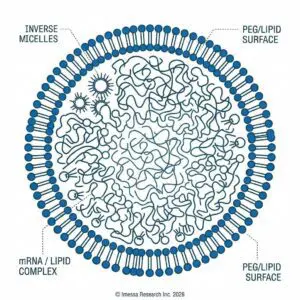
Lipid nanoparticles are widely used in mRNA therapeutics, gene delivery, and nanomedicine formulations. These systems often contain heterogeneous particle populations that are difficult to resolve using ensemble techniques.
Our separation-based approach enables detailed size distribution analysis of LNP formulations and allows detection of larger aggregates or secondary particle populations.
Typical analyses include:
• LNP size distribution
• Separation of heterogeneous particle populations
• Fraction collection for downstream analysis
Polymeric Nanoparticles
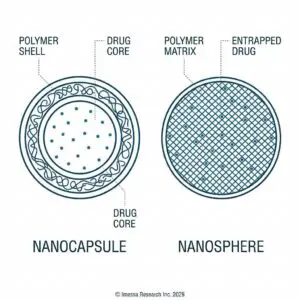
Polymeric nanoparticles are commonly used in drug delivery, sustained release systems, and nanomedicine research. These formulations frequently contain broad or multimodal size distributions.
Our technology allows separation and characterization of polymer nanoparticle populations with high resolution, enabling improved understanding of particle size heterogeneity.
Applications include:
• Polymer nanoparticle size distribution
• Detection of secondary particle populations
• Separation of particle size fractions
Engineered Nanoparticles
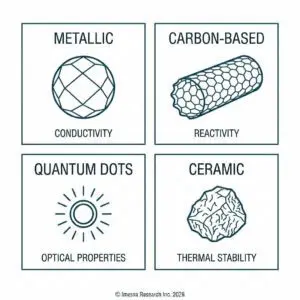
Engineered nanoparticles such as gold, silica, and metal oxide particles are widely used in nanotechnology and materials science.
Separation-based characterization enables accurate measurement of particle size distributions and detection of aggregates or secondary particle populations.
Typical systems include:
• Gold nanoparticles
• Silver nanoparticles
• Silica nanoparticles
Proteins and Antibodies
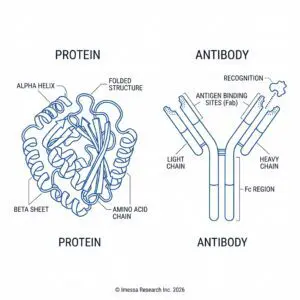
Large biomolecules and macromolecular assemblies often exhibit complex size distributions due to aggregation or structural heterogeneity.
Separation-based characterization allows analysis of macromolecular size distributions and detection of protein aggregates.
Applications include:
• Protein aggregates
• Macromolecular complexes
• Biomolecular assemblies